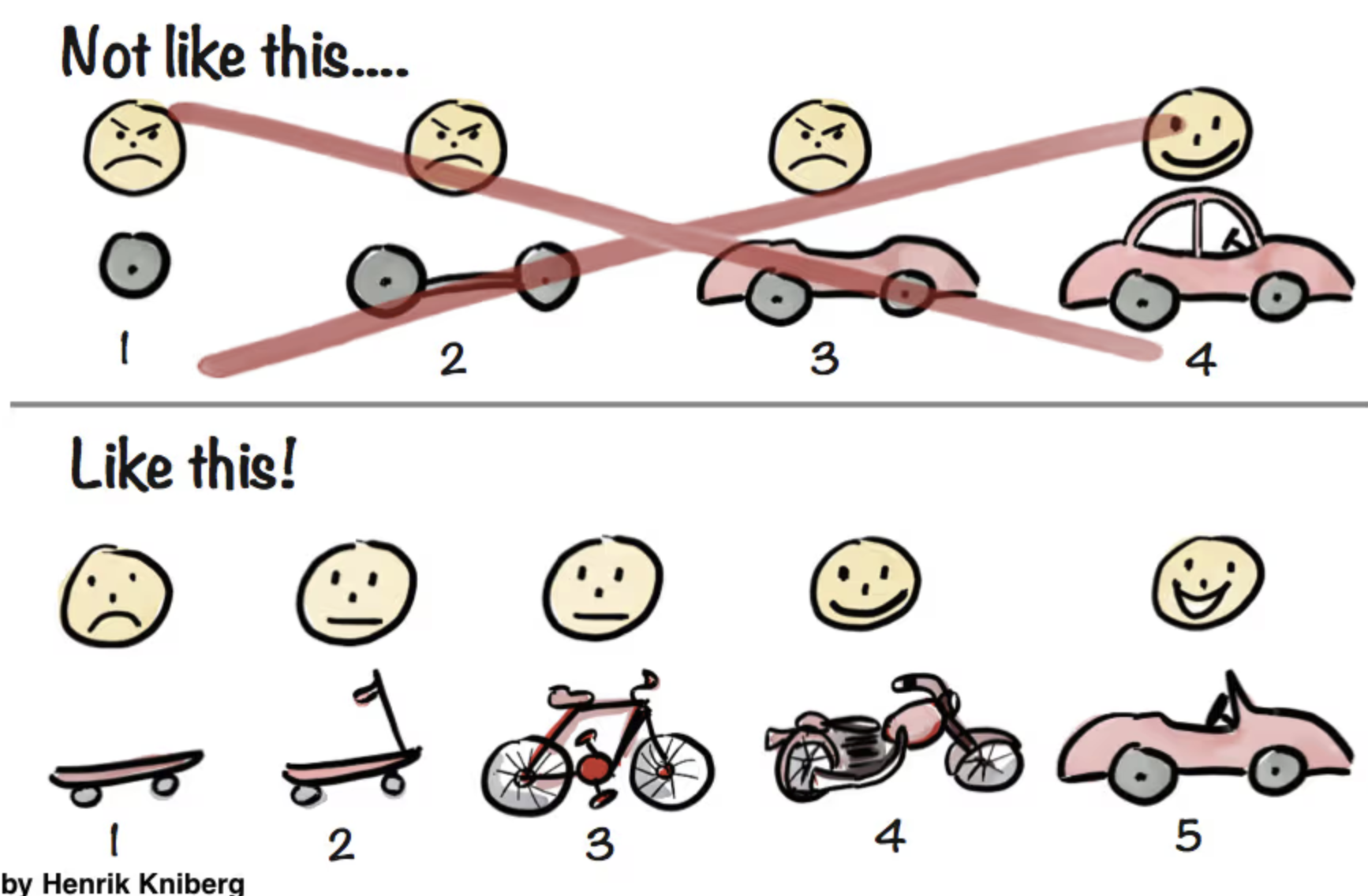
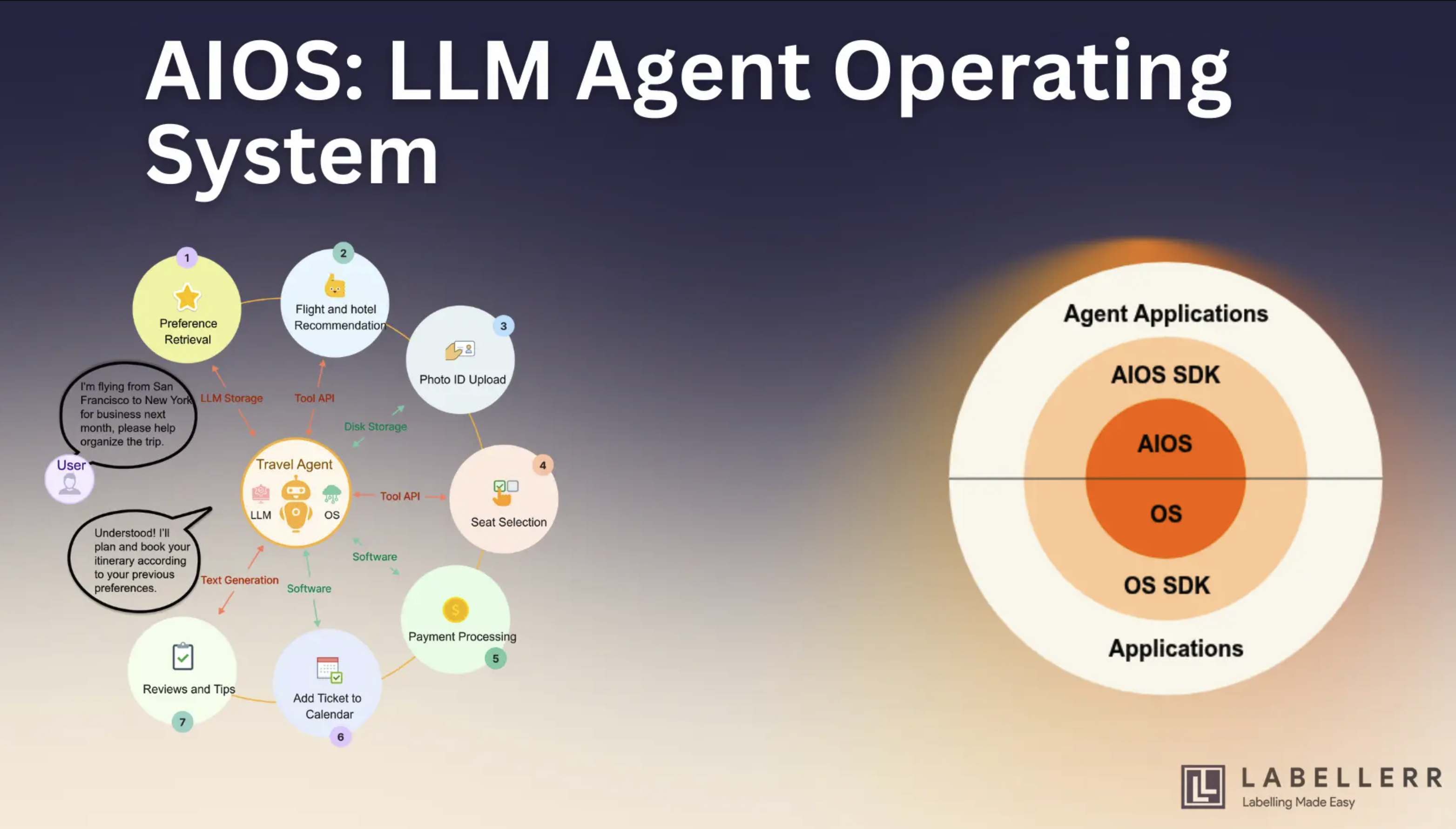
AIOS? Are you really letting AI run an entire department?
AI won't speed up your business if your people still lack data, decision-making authority, and clear accountability.
Phương · July 08, 2026
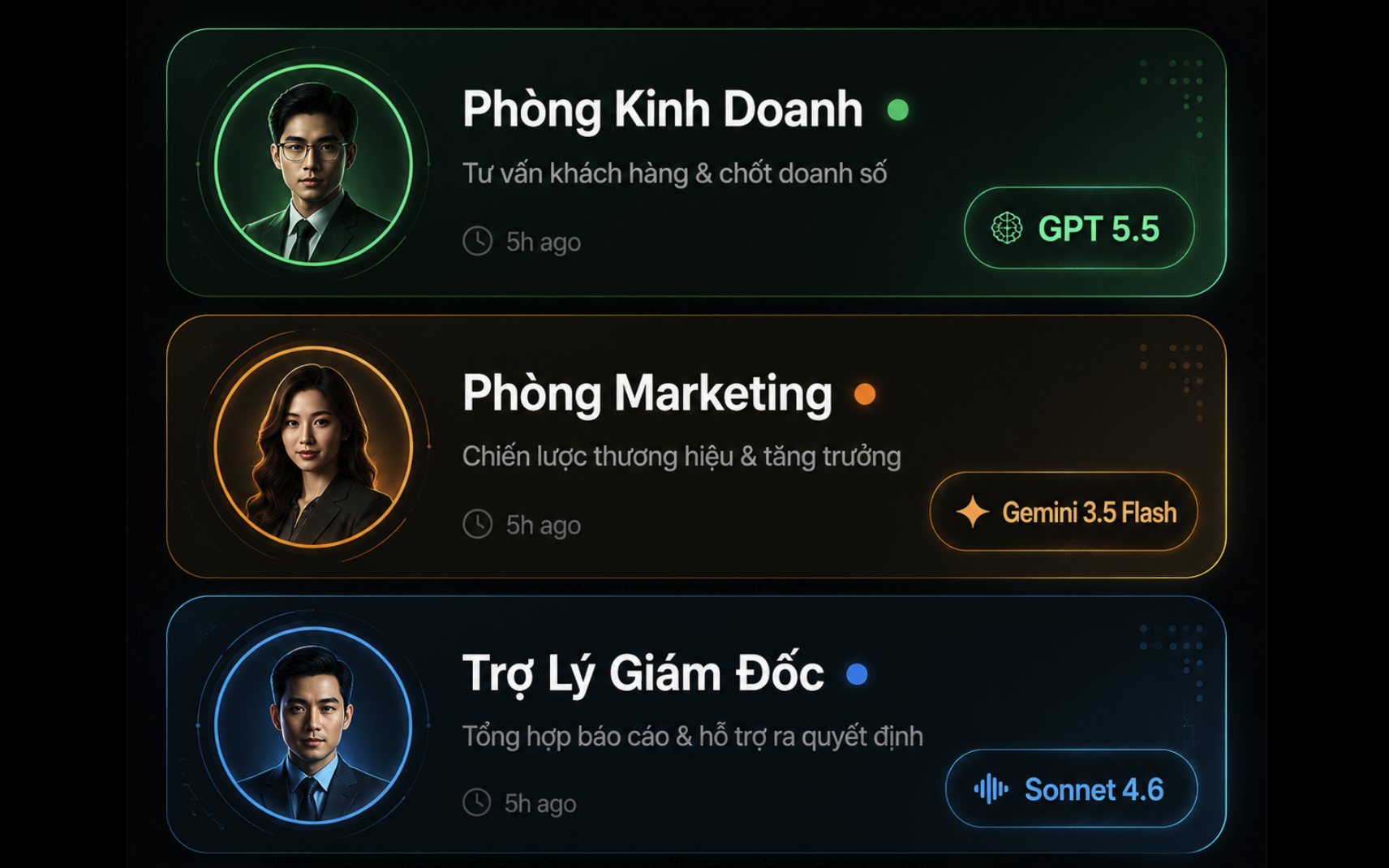
There's a harsh reality playing out in the current AI hype cycle: a lot of business owners think that simply buying more tools, setting up more AI agents, and automating a few extra steps will make operations leaner, faster, and maybe even replace key roles on the team.
It sounds super appealing. A tool that can write content, analyze data, reply to customers, read reports, schedule tasks, build plans, and basically act as a "virtual employee." But the bigger question isn't what AI can do. The real question is: Where is that AI actually plugged into your operational framework? Who gets to use it? Who calls the shots based on its outputs? And who takes the blame when it messes up?
Because if your business still operates in a way where every decision needs multiple layers of approval, data is scattered everywhere, employees lack context, and the people on the frontlines aren't empowered to experiment, then AI is just a shiny new layer slapped onto an outdated engine.
And an outdated engine doesn't magically run faster just because you added AI to it.
The problem isn't a lack of tools
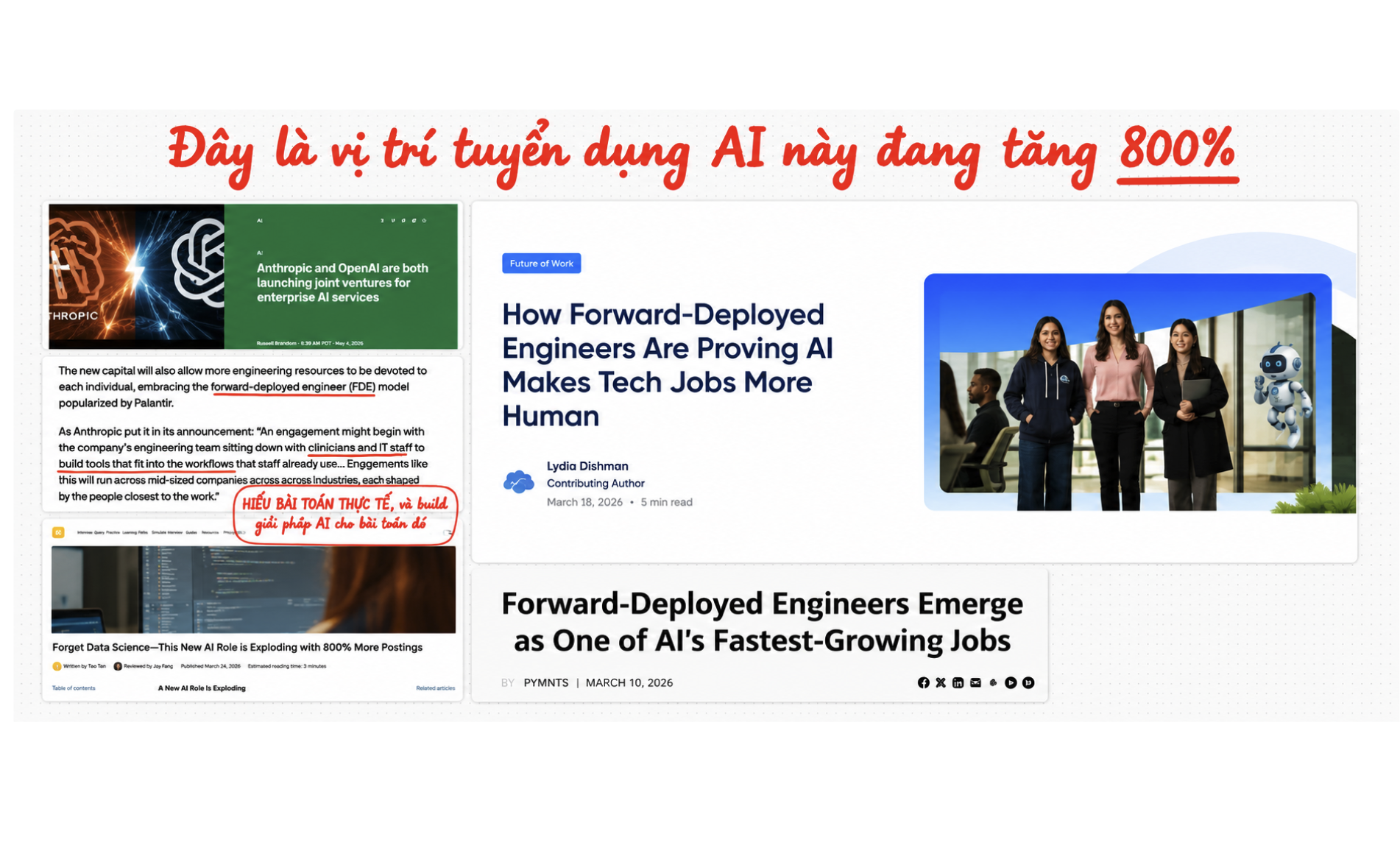
I'm not saying businesses don't need AI agents. Quite the opposite—I actually build and integrate custom AI agents into workflow processes for companies, handling everything from consulting and agent design to deployment and staff training. So when used right, AI is incredible. It cuts out repetitive work, slashes turnaround times, speeds up research, powers analysis, suggests options, and takes a huge load off your team's shoulders.
The issue is that a lot of businesses are starting in the wrong place.
They start by asking, “Which AI tool should we buy?”
When the question they should be asking is, “Which of our processes is currently a bottleneck, and who needs to be empowered to fix it faster?”
An AI agent can be insanely capable, but it won't magically understand your full business context without clear data. It won't know which decisions matter most unless someone sets the priorities. And it won't know when to pause, ask for clarification, or flag something for human review if you haven't built in proper guardrails.
A tool is only as powerful as the person who knows what problem they're actually solving.
If your core workflows, decision-making rights, data, and accountability are messy, buying more AI won't make your company smarter. It'll just make your chaos look more high-tech.
Agents need context. Employees need it even more
Everyone says AI needs context to perform well. That's true. Without enough data, a clear goal, customer insights, or work history, its output ends up generic or way off target.
But here's what people rarely talk about: your employees need context to perform well, too.
You can't expect someone to deliver great results if they can only see a tiny slice of the bigger picture. You can't ask your marketing team to drive growth without giving them access to data on customer behavior, product metrics, revenue, retention, and post-sale feedback. You can't demand high-converting content from your copywriters without letting them know what sales objections reps are facing, what questions customers are asking, or why people actually buy (or don't buy).
A lot of companies gatekeep information behind job titles. Higher-ups sit in more meetings, get full context, and see all the numbers. Meanwhile, the execution team gets handed isolated tasks and told to "just focus on your part."
And then leadership wonders: why isn't the team taking initiative?
It's rarely a lack of capability. Most of the time, it's a lack of context, access, and decision-making authority.
It's the same for AI as it is for humans. Without context, delivering great output is almost impossible.
AI transformation doesn't start with installing tools
True AI transformation doesn't start with buying a bunch of new software, running a quick training session, and telling employees to "use AI in your daily work."
It starts with redesigning how work actually gets done.
Who gets access to what data?
Who has authority over which decisions?
Which tasks can AI handle autonomously?
Which tasks require human approval?
When an output is wrong, who takes accountability?
Where are the checkpoints built in?
If you don't have clear answers to these questions, AI becomes nothing more than window dressing. It looks modern on the surface, but underneath, your operations remain painfully slow.
When a minor task still needs five levels of approval, a small change has to wait for next week's meeting, critical data is trapped in someone's personal folder, and the person seeing the problem frontline lacks the authority to fix it—AI isn't your bottleneck. Your bottleneck is how you handle empowerment and control.
Don't mistake AI agents for a replacement for high-level thinking
Let's be real about one thing: don't put AI on such a pedestal that you think buying a few tools lets you fire seasoned, talented leads.
There are things AI excels at—skimming documents, summarizing, analyzing data, brainstorming, and drafting content at speed. But business wisdom isn't just about raw data.
In marketing and business, you might have winning content formulas, proven ad hooks, solid analysis frameworks, and key performance reports. But the market isn't a black-and-white math problem. Plug the exact same formula into a different industry, target audience, timing, budget, or brand position, and you could get completely different results.
Industry intuition is something AI struggles to replicate. It's that gut instinct for the market and the audience. That feeling when a concept sounds good on paper but lacks real emotional punch. That sense that an ad's metrics look decent, but the campaign won't scale. Or when a simple piece of content hits the exact pain point at just the right time.
AI can look at data. But real insights aren't always sitting neatly in clean spreadsheets for AI to ingest.
Many of the best insights come from real conversations with customers, running failed campaigns, noticing subtle behaviors, understanding industry nuance, speaking the market's language, and having hands-on experience solving the problem.
That's why AI should leverage talented people, not serve as an excuse to eliminate human experience.
It's not that headcount won't shift, but you need to know what AI actually replaces
I'm not in the "AI won't replace anyone" camp. In reality, plenty of roles, tasks, and workflows will be heavily disrupted. Repetitive, low-judgment tasks with straightforward outputs can absolutely be handled or partially automated by AI.
The key distinction is understanding: AI replaces specific tasks, not entire roles.
For example, AI can draft copy, but who defines the angle?
AI can parse data, but who asks the right questions?
AI can build reports, but who decides what action to take next?
AI can script ads, but who knows if the concept actually fits market sentiment?
AI can automate customer service, but who designs the end-to-end experience and handles edge cases?
Without breaking this down clearly, companies easily fall for the illusion that because AI handles a task, it can replace a full human being.
A top performer doesn't just create outputs. They make decisions, read market signals, take ownership, connect dots across contexts, and know when to break the rules.
That's something an AI tool simply can't replicate.
Human Agency matters more than AI Agents
I think the most critical concept here is "agency"—the capacity to act autonomously with accountability.
A person with high agency doesn't just sit around waiting for task assignments. They spot signals, align with goals, ask sharp questions, propose solutions, leverage tools to drive progress, and take ownership of the outcome.
An AI agent is different. It waits to be assigned a task. It works strictly within its programmed boundaries. It won't grasp the broader strategy unless a human provides the context, and it sure won't take ownership of your business results.
So instead of asking, “Which AI agent do we need next?”
Ask yourself, “Who on my team needs more context, decision-making authority, and tools to drive faster results?”
When you give a talented person full context and AI tools, their leverage skyrockets. But if you trap them in a slow system lacking data and decision power, even the best AI won't help them make a real impact.
Empowerment doesn't mean letting go of control
When it comes to delegation, business owners often worry: if everyone is empowered to make decisions, won't it create chaos?
There's an important distinction here. Empowerment isn't hands-off neglect. Trusting your team doesn't mean dropping governance. Moving faster with AI doesn't mean ignoring risk.
On the contrary, the more AI you deploy, the clearer your quality checkpoints and guardrails need to be.
What tasks can AI execute autonomously?
What requires human sign-off?
What needs logging?
What touches sensitive customer data?
What must never be automated?
Which mistakes can be fixed quickly, and which ones pose major risks?
A great system isn't one that micromanages every single step through manual approvals. A great system knows what needs tight control and what can be handed to the team to run fast, fail small, iterate, and learn quickly.
That's what actual operations look like.
Business owners need a reality check on AI
I completely get why business owners are drawn to AI. Everyone wants lower costs, faster execution, less headcount dependency, and leaner operations. Those are totally valid goals.
But if you treat AI as a silver bullet to replace humans, you'll end up buying the wrong tools, botched implementations, and major disappointment.
AI isn't the fix for every operational bottleneck. Some problems call for AI. Others just need clearer SOPs, better reporting dashboards, defined ownership, staff training, or hiring the right person. And some processes simply aren't ready to be automated yet.
Don't buy tools just because everyone else is. Don't build agents just because it's trendy. And don't let go of good talent just because AI generated a few outputs that look okay on the surface.
Start with practical questions: Where is your business bleeding time and money? Where are the true bottlenecks? And is AI actually the best solution for that specific problem?
Conclusion: AI only drives results when people are empowered to drive results
I fully believe AI will reshape how companies operate. But I don't believe a business gets smarter just by stacking more software, especially if internally there's no trust, no context, no decision authority, and no clear accountability.
Businesses aren't lacking AI agents.
They're lacking people who have the authority, context, competence, and accountability to leverage AI into actual business results.
Here's the bottom line: AI doesn't replace operational thinking—it amplifies operational thinking.
When you have clarity on your processes, team, data, guardrails, and where AI fits best, that's when AI creates real value.
Otherwise, all you end up with is another tool, another dashboard, and another agent—while your bottom line barely moves.
Because what actually speeds up a business isn't just the tools.
It's people empowered to use those tools to deliver results.
P.S. I'm sharing this not as an in-house corporate employee, but from an external collaborator's perspective as a freelancer/consultant. Every company is different, but I see these patterns playing out everywhere. When I kick off a client engagement, the very first thing I ask business owners is: "What does your core operational workflow actually look like right now?" Once we answer that, that's where my consulting work really begins!