Muse Meta: Generating consistent 30-second AI videos at scale
What Muse Meta is, why it's going viral in Vietnam, and how to use it to create bulk AI videos for POD, dropshipping, and affiliate marketing.
Penny Dinh · October 31, 2026

For the past few weeks, my feed has been completely flooded with Muse.
People showing off videos they made with Muse. People swapping prompts. People begging for invite codes just to get more tokens.
And to be honest, that's when I first checked it out myself—I needed a video production solution at the time. Fast forward to now, and I'm using Muse every single day to churn out videos in bulk and share them.
But the more I use it, the more I feel like setting the record straight: Muse isn't the best video model on the market. It went viral for an entirely different reason.
So the real question is: Is Muse actually a solid tool for video production, or is it just blowing up because it's free?
What is Meta's Muse? A video tool and an AI assistant in one
"Muse" is Meta's umbrella term for an entire family of AI products:
Muse Image is an image generation and editing model, launched on July 7, 2026.
Muse Video is a video generation model with native audio, announced the same day and rolled out gradually afterwards.
The Muse app is a personal AI assistant launched on September 8, 2026, bundling everything into one interface: chat, image gen, video gen, and task delegation.
According to Meta, both Muse Image and Muse Video were built by Meta Superintelligence Labs on a shared foundation. As for the Muse app, it officially launched in the US and Canada with a limited free tier, plus two paid tiers at $20 and $100 per month (Tech Insider).
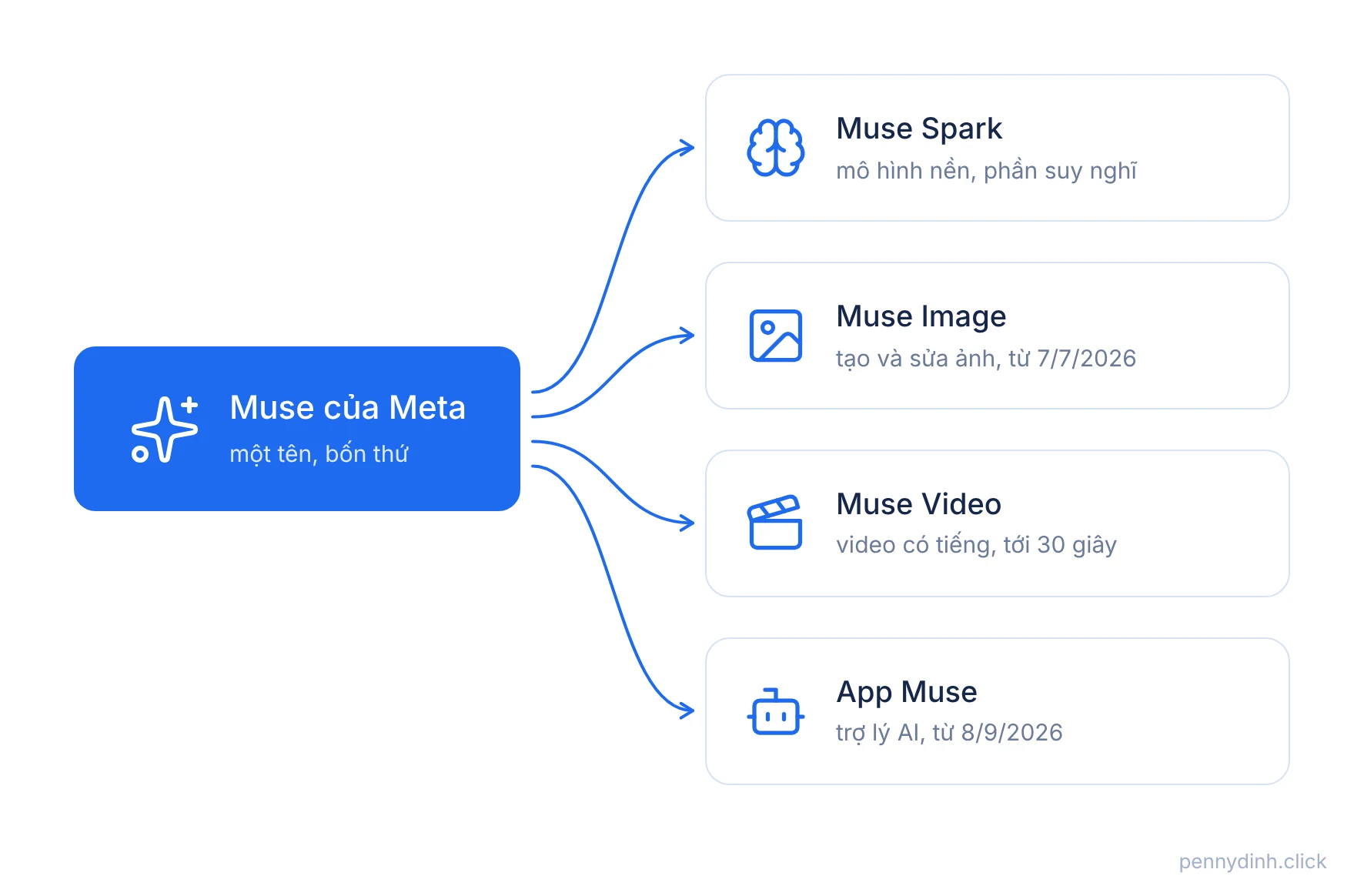
So when someone says they "use Muse," a video creator and an operations manager might be talking about two completely different things. This post covers both.
Muse went viral in Vietnam because it's free, not because it's the most powerful
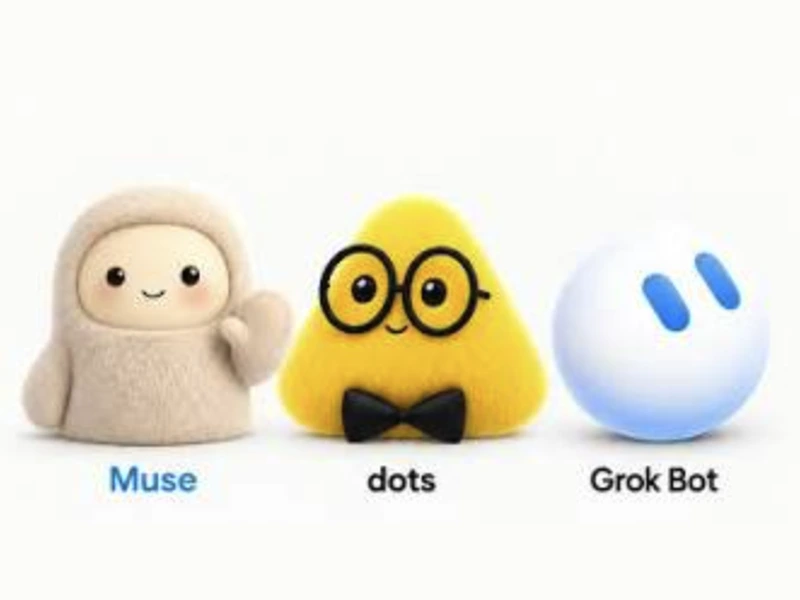
Within just a few months, the market saw three major 24/7 AI assistants launch. xAI's Grok Bot dropped its beta in August. Meta's Muse launched on September 8. OpenAI's Dots followed on September 29.
Grok Bot is a powerhouse. Dots got solid reviews. But in Vietnam, the name everyone's buzzing about is Muse.
The reason? Pricing:
- Dots requires a ChatGPT plan starting at $100/month.
- Grok Bot requires a paid plan with xAI or Cursor, starting around $30/month.
- Muse offers a free tier, plus if a newcomer enters a referral code within their first 48 hours, both parties get 1 billion tokens (SmartScope).
Make it practically free, and people will test it. When testing actually gets the job done, they invite others—and inviting people earns them even more tokens. That's built-in product growth right there. That's the entire formula behind Muse going viral.
Muse isn't mind-blowing. But it's convenient, and it's free. For the Vietnamese market, that's more than enough to explode.
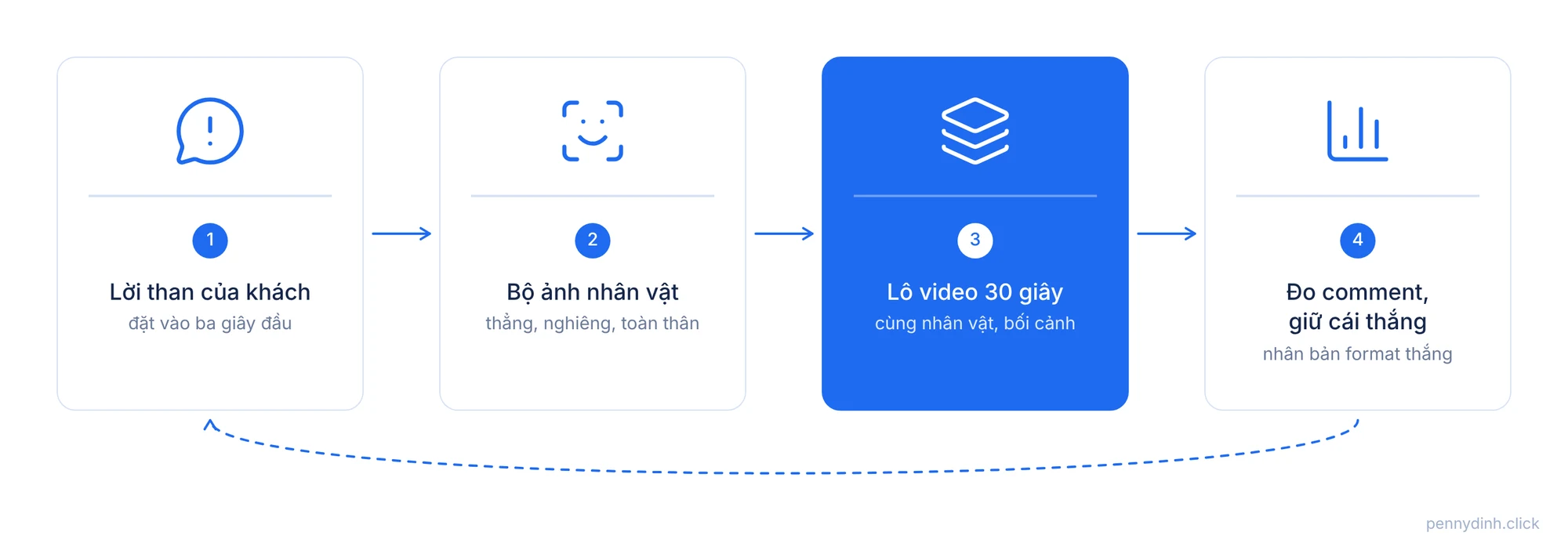
Muse can output consistent 30-second videos—which is why bulk creators are making the switch
For video creators, Muse brings two clear advantages to the table.
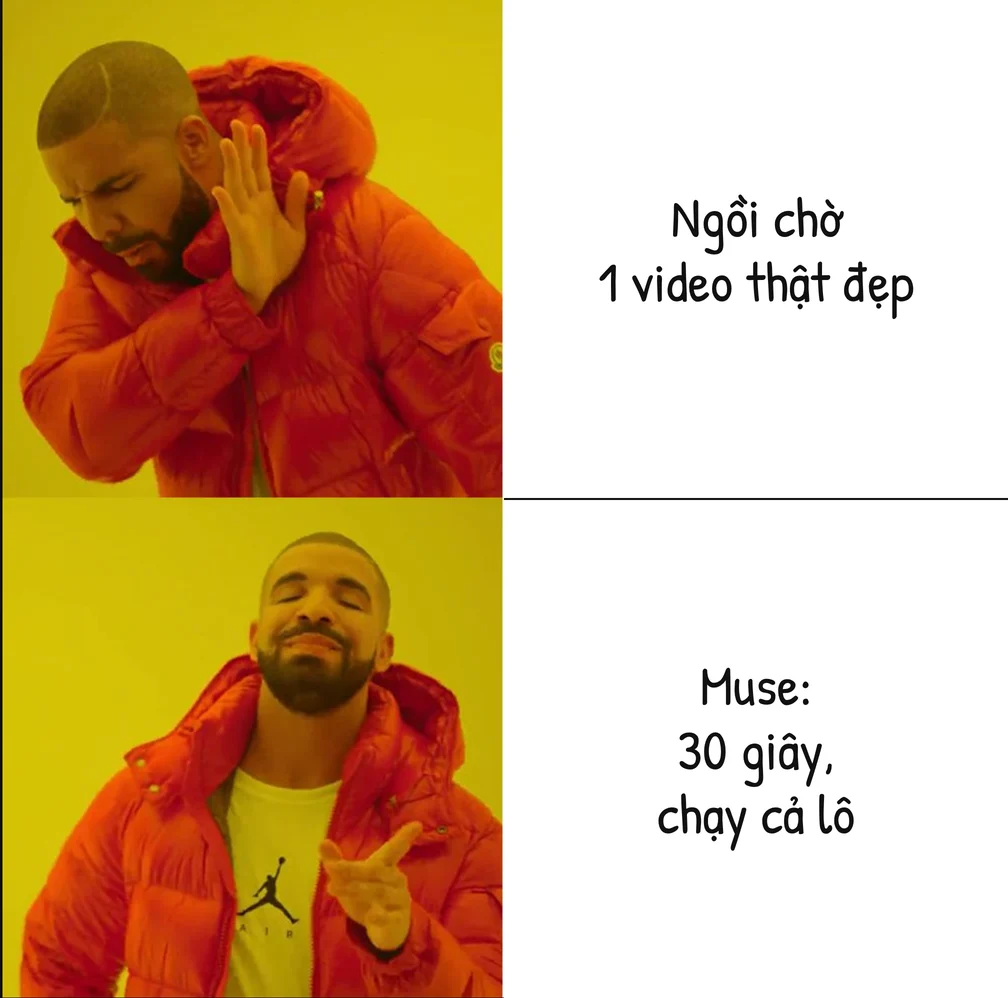
First, speed. It generates fast, and it can run multiple videos in parallel.
Second, it can produce 30-second videos that stay consistent from start to finish. Same character, same setting, same lighting—no need to stitch together three or four short clips while praying the character's face doesn't morph halfway through.
Plus, the videos come with native audio right out of the box: dialogue, ambient sound, sound effects. That saves you an entire voiceover step.
As for Muse Image, its strength lies in pinpoint editing. Tell it to change the shirt color, and it only touches the shirt without redrawing the face. You can also stack multiple reference images in a single prompt: product, model, background.
When it comes to reference fidelity, Muse still lags behind Seedance or Omni Flash
Let's be real here—I've used all of these models, so I want to call it like it is.
If we're judging purely on image quality and reference fidelity, Muse doesn't hold a candle to top-tier models like Seedance 2.5, Seedance 2.0, or Google's Omni Flash. Facial consistency, product details, hand movements—those models are still visibly better.
Even Meta admits Muse Video has two notable weak spots: lip-sync accuracy and fast, physically realistic movement.
So here's how I split the work:
When I need exact product fidelity, hands interacting with objects, or high precision: I bring out the heavy hitters.
When I need volume, speed, and "good enough" reference matching: I stick with Muse.
There's no single model that wins every game. It's all about picking the right tool for the job you're trying to solve.
POD, dropshipping, affiliate, AI channels: this is Muse's sweet spot
Muse is best suited for anyone who needs video volume with decent reference matching for products and characters (around a 7/10 =)).
POD: one t-shirt design, mug, or canvas, turned into dozens of videos featuring people wearing or using it across various settings.
Dropshipping: quickly testing multiple products with a few video angles each before deciding where to throw ad spend.
Affiliate: a recurring creator persona appearing consistently across videos so viewers start recognizing them.
AI channel building: one format, one character, pumping out multiple videos every single day.
The common thread? Volume matters more than single-video perfection. You don't need the most breathtaking video. You need a high volume of "good enough" videos to find the winners.
Muse shines brightest when operating inside Meta's ecosystem
This is the part most people overlook because everyone just sees Muse as a video maker.
The Muse app is an AI assistant. And it's at its best when you use it to navigate Meta's own playground: Facebook, Instagram, and Threads.
Researching trending content inside a specific group, hashtag, or niche on Threads.
Analyzing why a post got pushed or throttled, and what content types the algorithm is currently favoring.
Troubleshooting page issues, ad account problems, or flagged posts.
Reviewing and brainstorming ad angles for Facebook, Instagram, and Threads.
Grok Bot is the flip side: it excels when you tell it to research on X. Each bot dominates its home turf. Pick your assistant based on where your audience actually hangs out, not based on hype.
I tested it myself: scaling Muse videos in bulk, then building my own tool
I use Muse to produce videos at scale. And since this need is so common, there are plenty of tools out there now for batch processing Muse.
I vibe-coded one myself called Musee, hooked up to my own Muse account. You paste a list of prompts—one line per video. Mention a character with an @tag, and the tool automatically attaches the right reference image. If you have multiple accounts, it runs them in parallel and automatically retries failed renders.
Muse is still doing the actual video generation. The tool just eliminates the tedious manual clicking. The queue in the screenshot below alone completed 327 30-second videos in 9:16 vertical format.
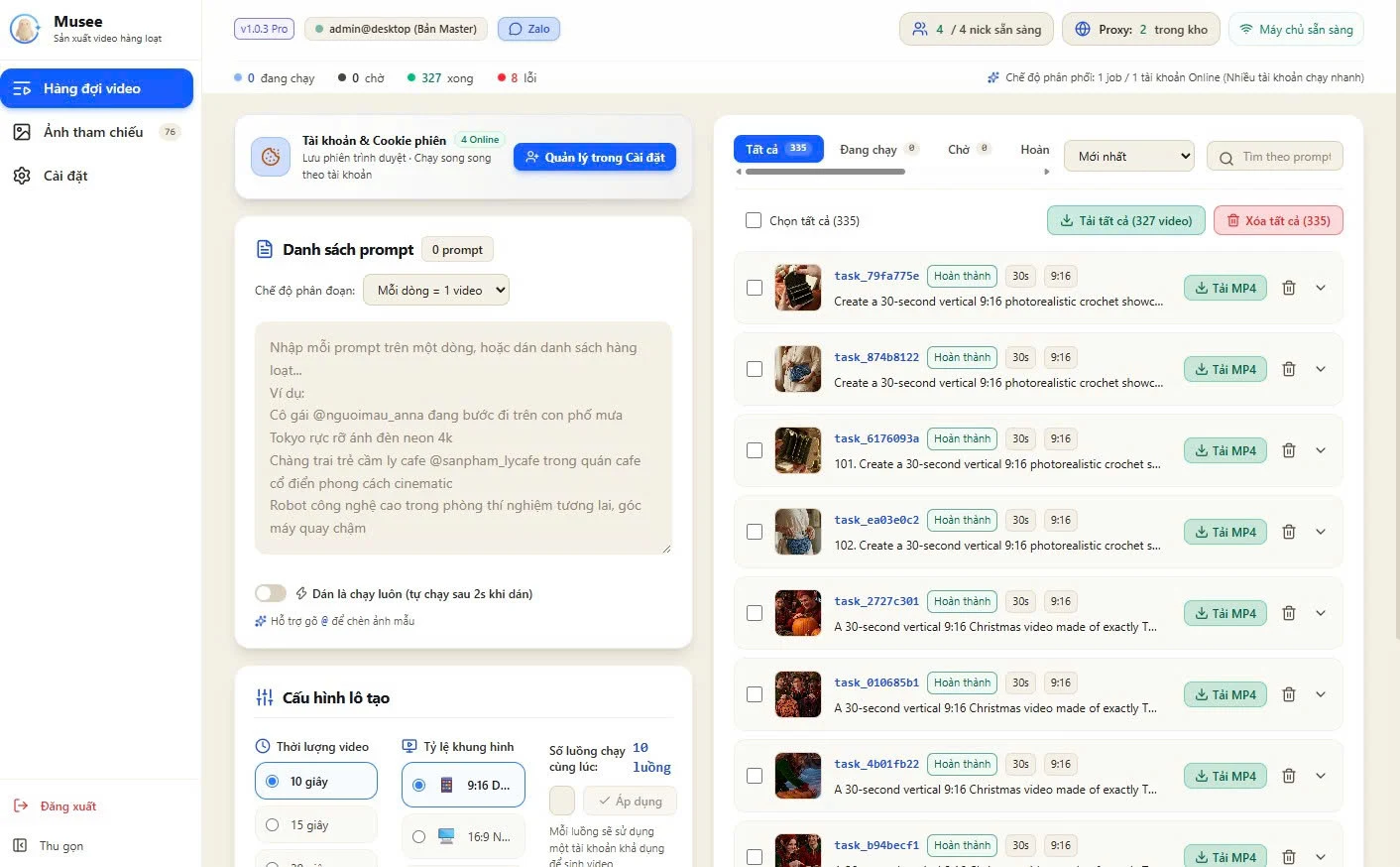
And here's the download page for Musee, available for Windows, Apple Silicon Mac, and Intel Mac:
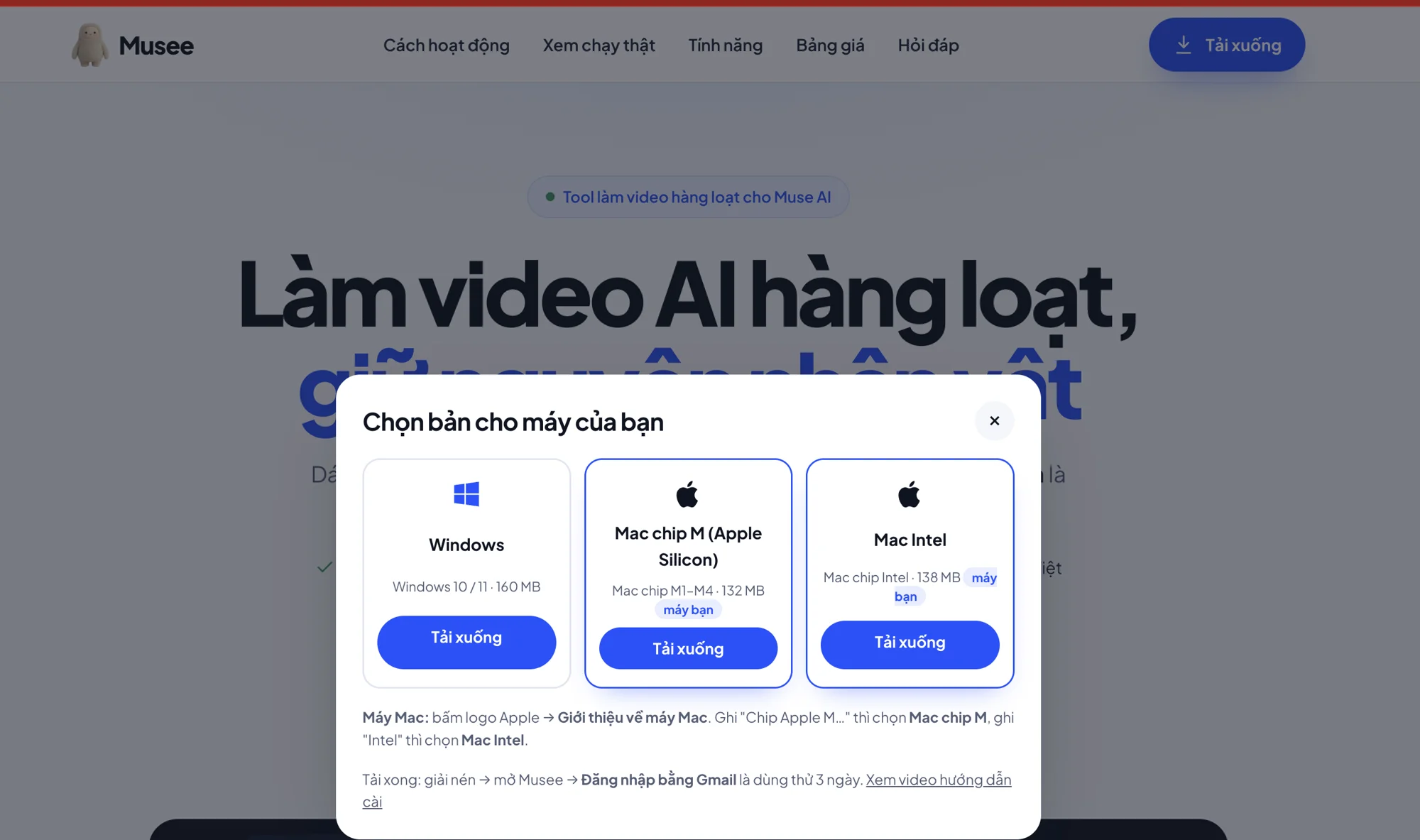
My takeaway: Muse isn't the prettiest model, but it's hands down the easiest to scale right now.
Free gets you in the door, but systems are what keep you alive
Meta is being extremely generous with Muse right now. But I wouldn't recommend building your entire business around the word "free."
Quotas can change at any moment. Account policies belong to Meta, not you and not any third-party tool. Meta's AI images and videos carry watermarks, and platforms can tag them with AI labels.
And most importantly: cheaper videos won't make your insights any sharper. If you don't know what your audience is struggling with, 100 Muse videos are just 100 variations of a bad idea.
What you should really walk away with after this viral wave isn't a pile of tokens. It's the system: picking products, building character assets, drafting prompts, batch rendering, tracking metrics, and doubling down on winners. If Muse changes its pricing tomorrow, you can plug in another model and keep right on moving.
Bottom line: Muse is the cheapest entry point for bulk AI video
Muse doesn't beat Seedance or Omni Flash on raw fidelity. But it's fast, generates consistent 30-second clips, comes backed by an assistant that understands the Meta ecosystem, and is practically free right now. For POD, dropshipping, and affiliate marketing, this is the prime window to experiment.
So before you jump in and start batch rendering, ask yourself:
Do my videos need to be the prettiest, or do I just need volume? Do I already have reference image sets for my character and product? Are my customers on Facebook, Instagram, or X? And if Muse stops being free tomorrow, will my workflow survive?
Answer those four questions, and you'll put Muse to work right where it belongs—without getting swept up in the hype.
Good luck :) Hope your Muse account runs out of tokens from generating sales, not from messing around for fun.
P.S. If you're creating videos with Muse and want to batch render while maintaining character consistency without manual clicking, check out Musee—there's a 3-day free trial.