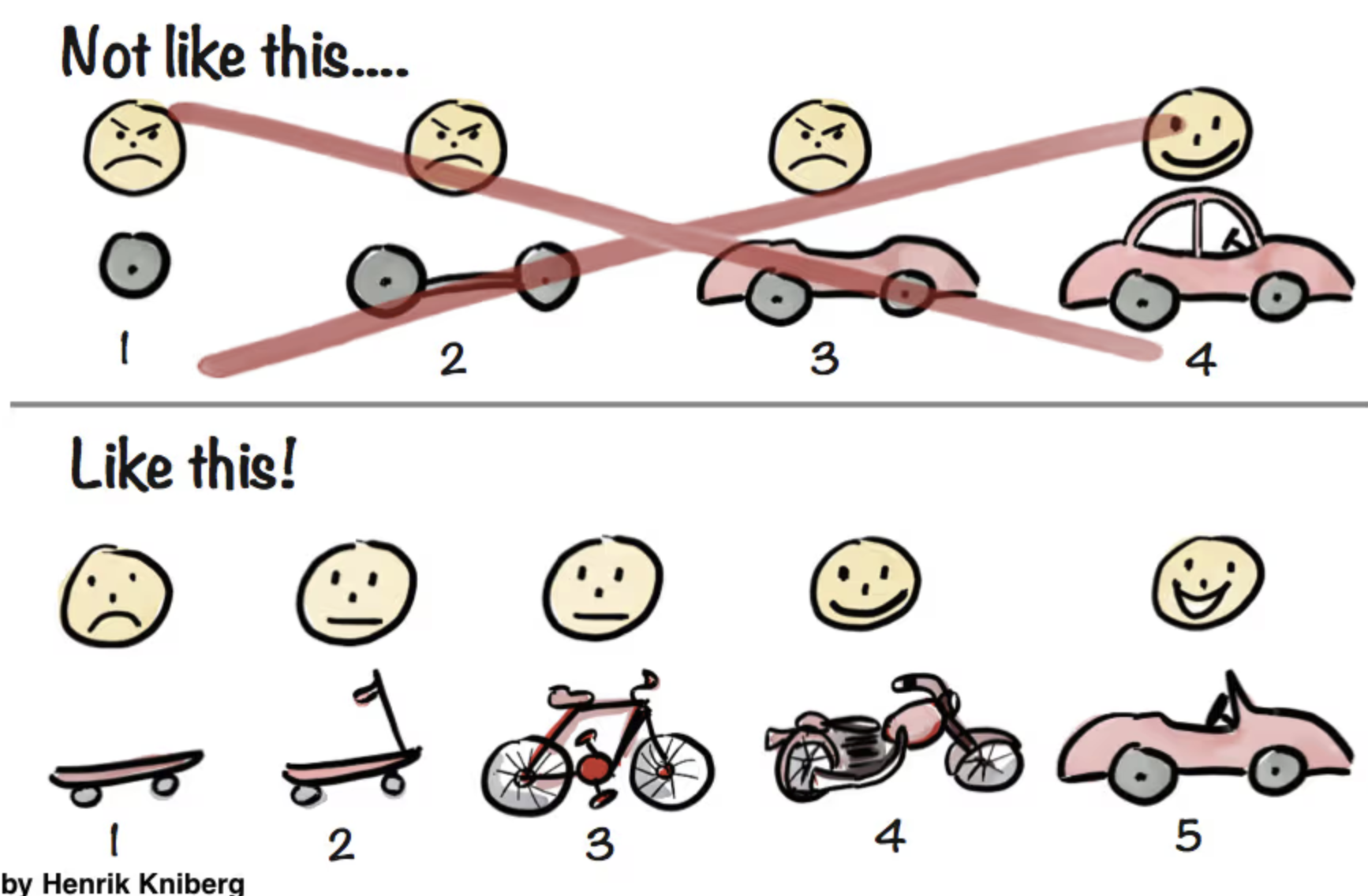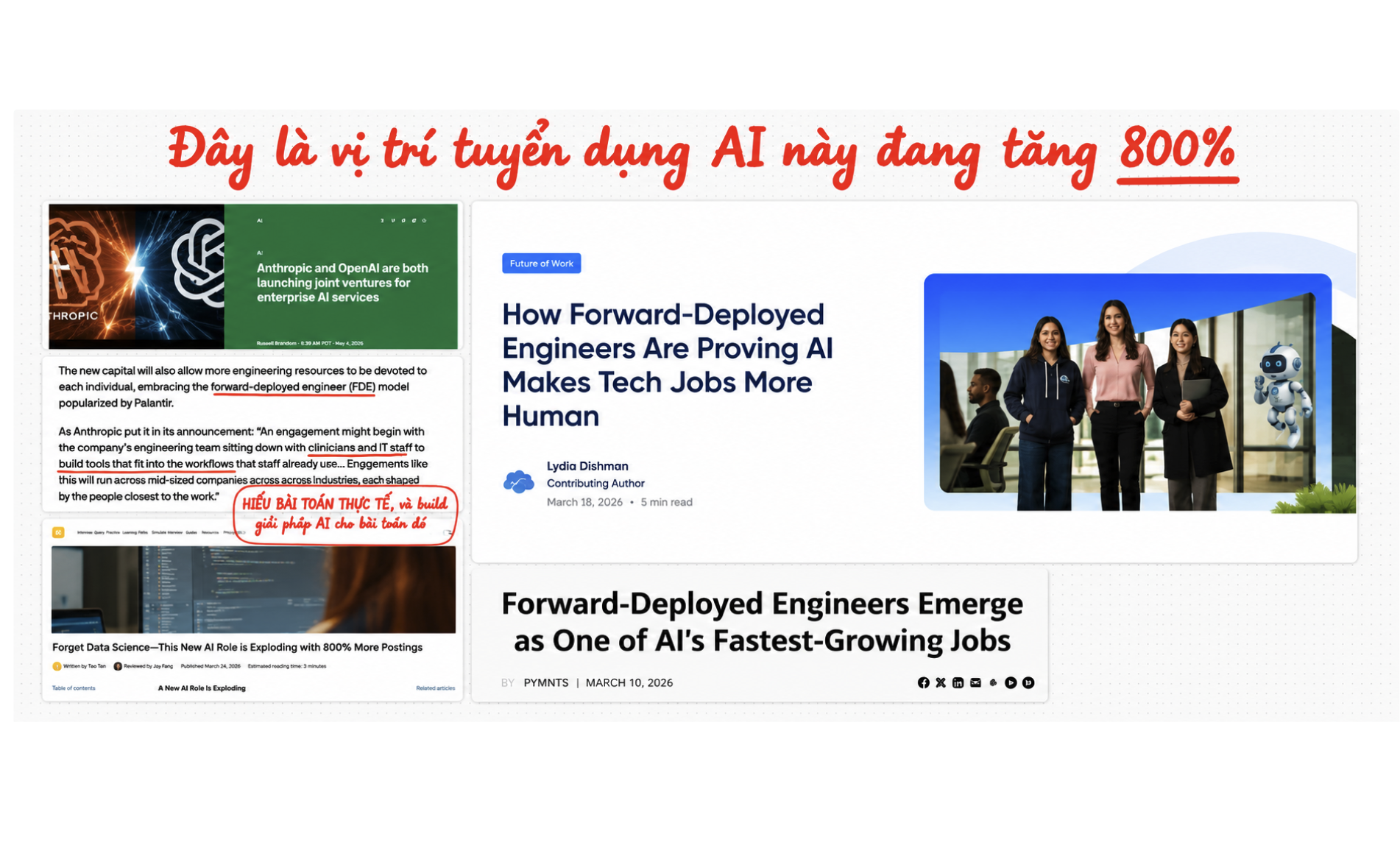
Everyone out there is talking way too much about AI Agents.
But at the end of the day, it's not about pretty demos—it's about outputs that actually work in production.
Penny Đinh · July 08, 2026

There's one thing becoming clearer to me by the day: everyone out there is talking about AI Agents, but almost no one is showing the actual outputs they use every single day.
Self-running pages. Automated ads. Agents replacing entire departments. Websites built in 10 minutes. Apps built in 30. A single prompt spitting out a finished video. Sounds amazing, super viral, ticks every marketing box. But at the end of the day, the real question is: how much of it actually runs in production, and how much is just a flashy demo?
Don't get me wrong, I'm not anti-AI. In fact, I use AI constantly and talk about AGENTS all the time. But my videos aren't just neat 10-to-30-minute showcases—I always make a point to admit how much grueling testing I had to skip over.
The more I use AI, the more I'm convinced it's one of the most powerful tools we have right now. But precisely because I use it in the real world, I feel obligated to be upfront about one thing: AI won't magically turn a messy process into a smooth operation. It only amplifies what you already understand.

The problem isn't AI Agents. It's the hype machine
A lot of AI Agent tools are pitched like you're falling behind if you aren't using them yesterday. Whether it's Harmet, Obsidian, OpenClaw, or whatever hype name of the week, they all push the narrative that setting up an agent system means your business magically runs on autopilot.
But when you look at actual use cases, most of it still boils down to the same old basic tasks: summarizing emails, doing quick research, checking schedules, sending emails, reading folders, or syncing calendar events. Is this stuff useful?
Yes. Does it save time? Maybe.
But is it enough to revolutionize how an entire business operates? Not really.
There’s a massive gap between “AI completing a single task” and “AI replacing an entire system.” And that’s the exact gap a lot of people are intentionally blurring.
A slick demo doesn't equal a working operational workflow
AI demos are tailored for ideal conditions: clean data, clear inputs, scripted scenarios, where you only see the absolute smoothest output. But real work doesn't play out like that. Real work means fragmented data, missing context, schedules shifting constantly, clients messaging across five different channels, and tons of decisions that live nowhere near a clean document or email.
So instead of asking, "What can this AI Agent do?", I think we should flip the question: Where is it actually pulling the data from to do that job?
If your data is scattered everywhere, what is the AI even reading?
A tool promises to sync my calendar, manage clients, automate reminders, and update info. Sounds great on paper. But in my day-to-day reality, my work doesn't fit neatly into an email inbox or Google Calendar.
I might chat with a client on Zalo, follow up on Facebook, hop on a quick call, or hold key details in my head. Schedules change on the fly. Decisions get finalized over a casual voice call. A lot of context is never documented clearly enough for an external tool to make sense of it on its own.
So where is that tool getting its information?
If I still have to manually re-enter data, categorize it myself, tell it which client is who, which meeting is current, and what tasks take priority... then my next question is: why add yet another app to my stack instead of building a personalized assistant tailored specifically to how I actually work?
AI is only effective when it plugs seamlessly into a real operational flow. If your core workflow is messy, your data is dirty, and responsibilities are unclear, AI won't make your system smarter. It just makes your chaos look tech-forward.
Not everything needs an "AI Department"
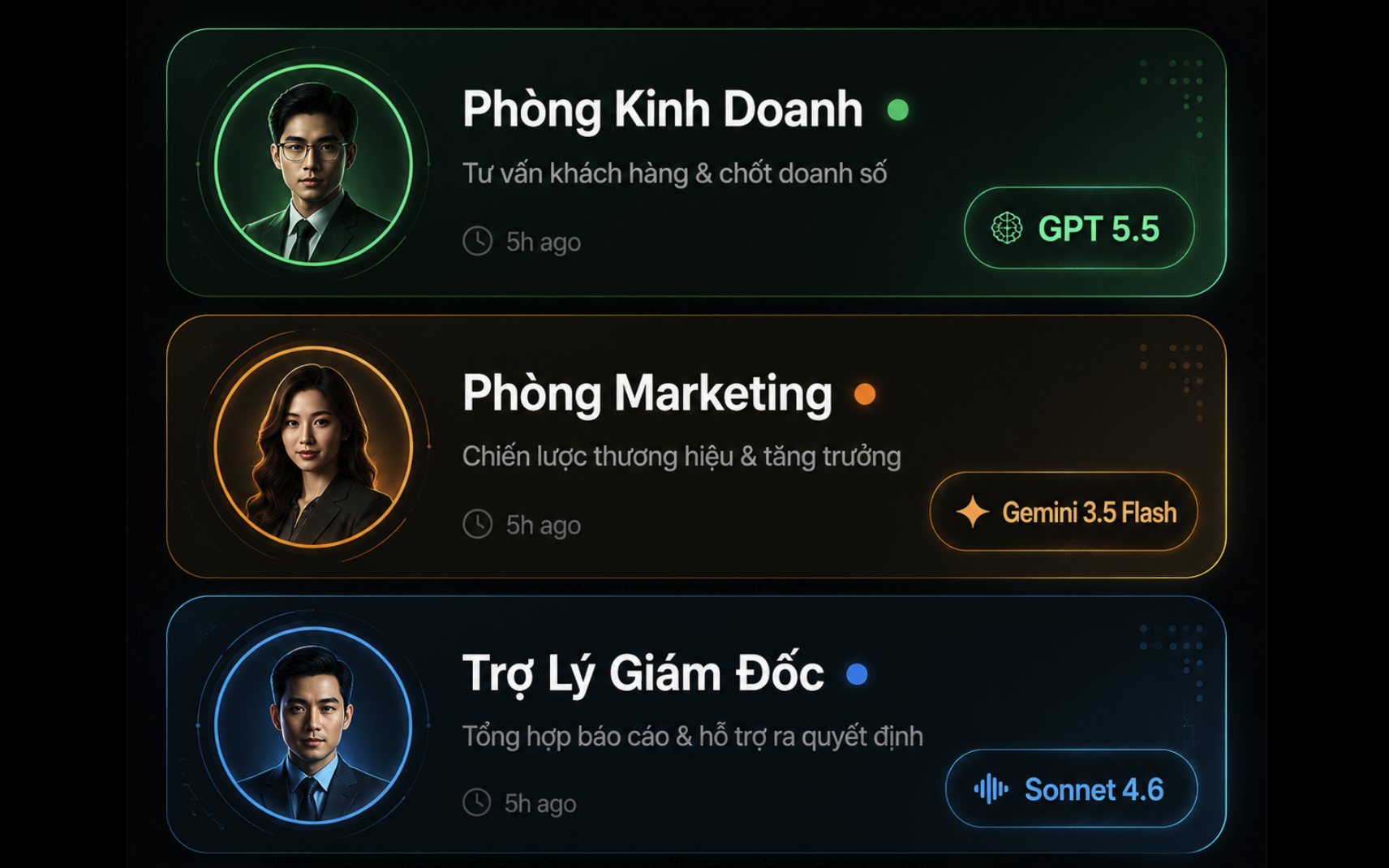
Another trend is setting up an entire squad of agents: Department Head Agent, Marketing Agent, Sales Agent, Ops Agent, Data Analyst Agent. Sounds super futuristic. But to me, the real question remains: what is the actual operational goal here?
If I need to track data, I can pull it into a clean dashboard and keep an eye on it. If I need to monitor content status, leads, ad performance, revenue, or clients, I need a reliable system to view, filter, verify, and make decisions. I don't always need 5 or 6 instances of Sonnet 4.6 or Opus 4.8 playing manager, reading data back to me, or hosting "bot meetings" with each other.
There are definitely cases where agents are useful. But slapping titles like "Department Head," "Employee," or "AI Team" onto a script doesn't automatically give it operational value.
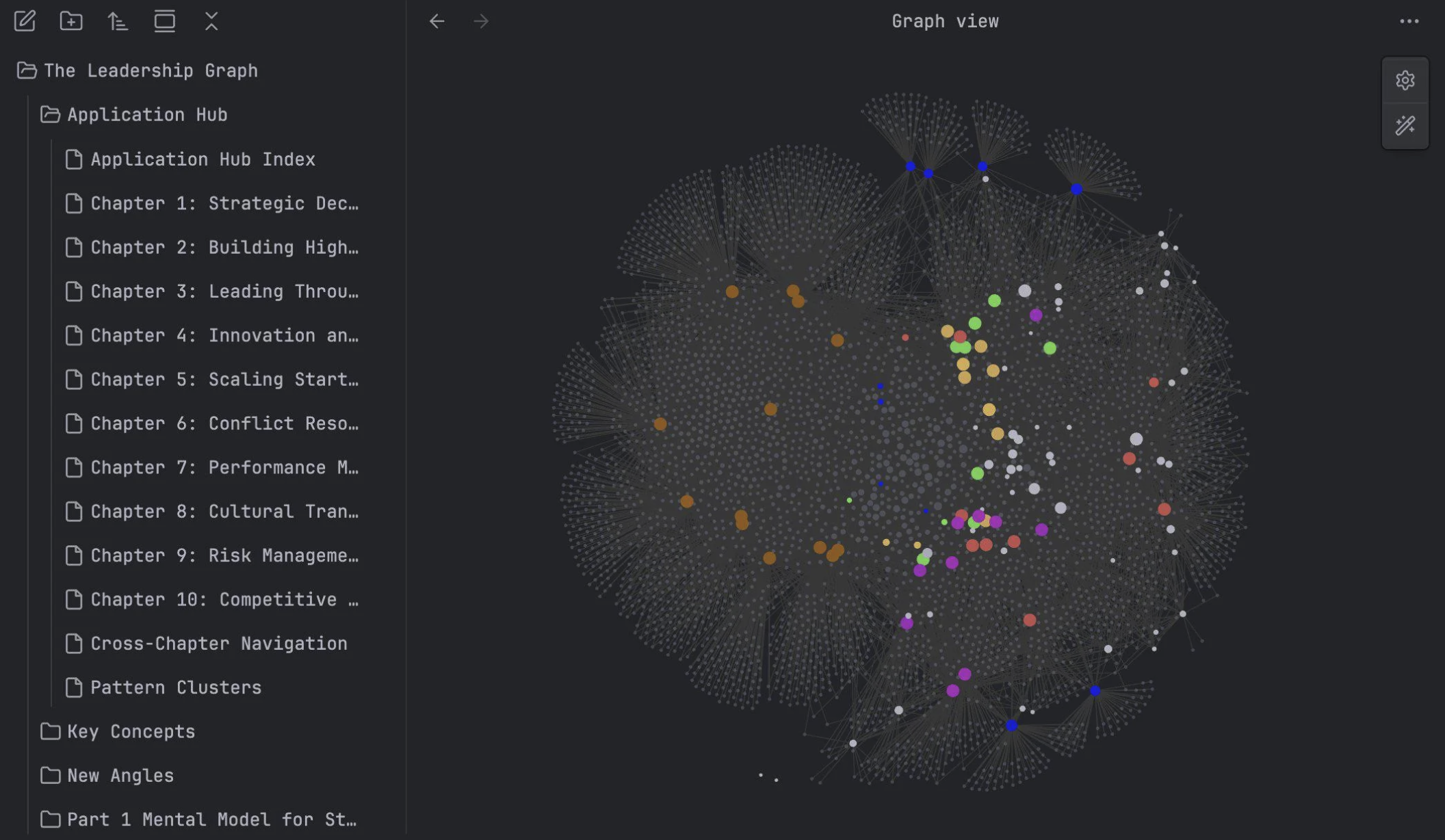
Businesses don't need an agent fleet just to look like a "real company"
What a business actually needs is accurate data, clear processes, solid checkpoints, clear accountability, and usable outputs. If an AI Agent genuinely helps with that, awesome. If not, it's just a fancy new interface wrapped around a broken engine.
Here's what many people miss: operations isn't about creating the illusion of a busy team. Operations is knowing what's running, who's auditing it, where the data lives, how to fix bugs when things break, and whether the final output actually brings value to the customer.
Building an app in 30 minutes doesn't mean you have a functional product
I see so much content pushing stuff like "build a website in 10 minutes," "build an app in 30 minutes," or "no-code your way to a launch." I'm not hating—I actually do this myself—but that "30 minutes" is usually a 2-hour recording edited down, after 5 hours of prep, followed by 1-2 full days of polishing just to get a barebones MVP running for real users.
AI genuinely speeds up building by leaps and bounds. But building a nice UI and running an actual production product are two very different beasts.
A production-ready app takes way more than a few pretty screens. Can real users actually use it? Is data saved correctly? Are permissions secure? How do you manage content? Where do you debug errors? How are payments, CRM, tracking, admin panels, security, and backups handled? Can the setup handle real traffic without collapsing?
I don't think every product needs bulletproof technical architecture from day one. But it has to work. To me, "functional" means real users, real data, real flows, real errors, and knowing how to control it all.
AI can help you move faster. But it won't replace systems thinking.
A single prompt doesn't create a high-converting video
It's the same deal with AI video. Everyone talks about getting a complete, polished video from a single prompt. But as someone who builds conversion ad videos, produces content for global YouTube views, creates personal branding videos, and integrates AI into actual production—I would never claim that.
AI makes video creation easier, faster, and more convenient. But a great video still hinges on human decisions. What's the goal? Go viral, drive sales, run ads, build trust, or retain viewers? What's the hook? What core consumer insight are we tapping into? Which persona fits? What setting triggers the right emotion? Does every scene serve a purpose? Is the editing paced well? Is the CTA clear? Is the final output good enough to actually run in campaigns?
If someone confidently tells you they can crank out a high-converting 90-second video in under an hour—from script and storyboard to individual scenes and full edit—then honestly, maybe I need to go back to school.
For me, AI empowers the workflow. But conversion strategy, content instinct, market sense, and evaluating the quality of outputs? That's still 100% on us.
A great tool doesn't mean you actually need it
Let's be real: a lot of AI products are specifically engineered to trigger immediate FOMO. That's just marketing. Demos look slick, landing pages sound rock-solid, case studies seem compelling, and the subtle underlying pitch is always: "If you're not using this, you're getting left behind."
But before pulling out your credit card for another software, ask yourself a few grounded questions: What real problem does this actually solve for me? Do I already have an underlying process for this? Can I use its output immediately? Does it genuinely reduce my workload, or is it just another dashboard I have to manage? Do I actually need it, or am I just justifying an impulse buy because it looks cool?
Not every cool tool is worth adopting. Not every flashy agent adds value. And not every automated workflow is worth automating in the first place.
FOMO is not an operational strategy
The dangerous thing about AI hype is that it creates a fake benchmark. When everyone claims to have autonomous business agents, AI replacing departments, and fully automated workflows, it's easy to feel like your current setup is hopelessly outdated. But truth be told, a simple workflow saving you 20 solid minutes a day is infinitely more valuable than an over-engineered agent network that looks impressive but sees zero real action.
Don't let the fear of missing out trick you into buying more tools. And don't let polished demos fool you into thinking everyone else is light-years ahead. Don't look at how many tools they use—look at what outputs are actually driving real impact.

Mindset over tools
I still firmly believe the most important question isn't "What can AI do?", but rather "What problem am I actually trying to solve?"
What was your core process before AI came along? Where are the real bottlenecks? Which parts are best handled by AI? Which parts need a human spot-check? Which require subject matter experts or dev support? And what shouldn't be automated just yet?
When you aren't clear on what you need, every tool looks essential. But once you deeply understand your problem, you'll know instantly what's worth using.
AI is an incredibly powerful tool, but it won't do the thinking for you. It won't replace understanding your customers, knowing your ops, grasping your product, making sense of your data, or taking accountability for final outputs.
So instead of using AI just to feel like you're moving fast, let's bring it back to a simpler question:
Does this AI actually improve my operations, or does it just make everything look smarter?
Because at the end of the day, it's not about how many agents you have running. It's about whether your system actually works.
Good luck :) stay sharp out there, and promise I'm not calling anyone out!!